Acute Blindness, Modern Diagnostics, and Innovation in Veterinary Ophthalmology: Vienna Hosted the ESVO 2026 Congress
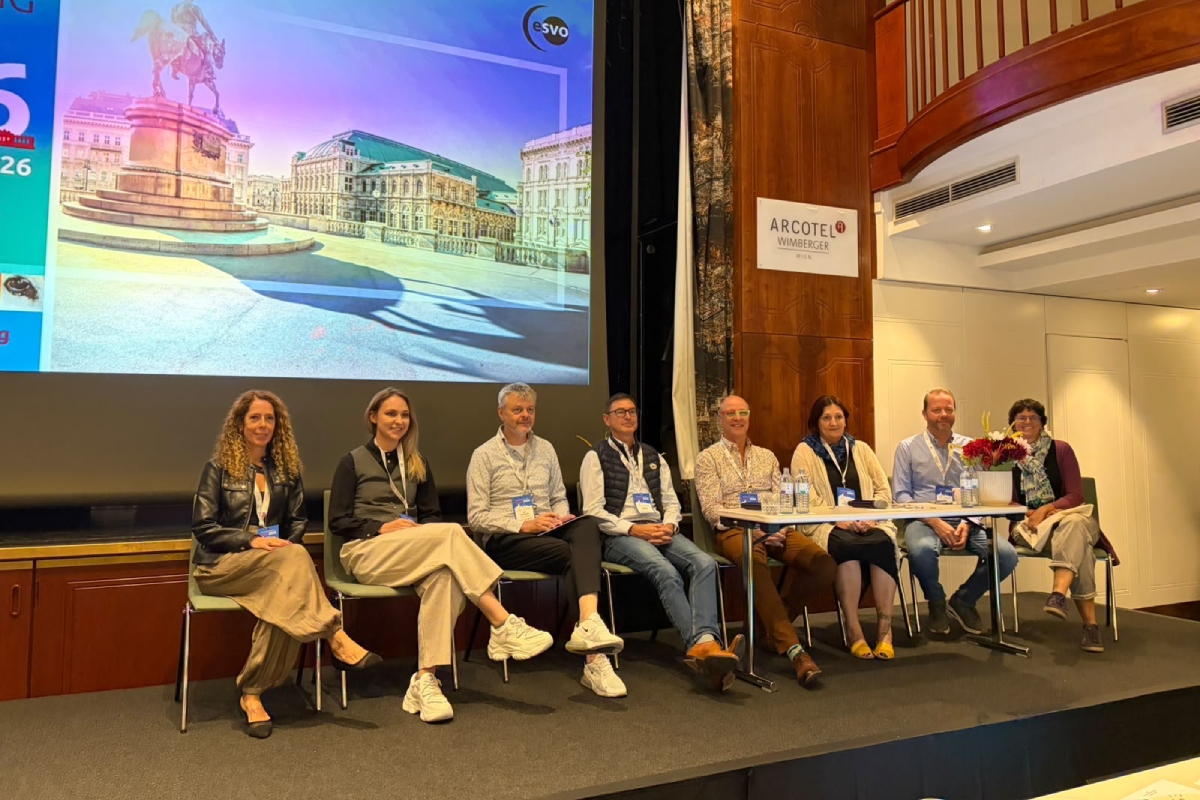
Venue: ARCOTEL Wimberger Wien, Vienna, Austria
Date: September 24–27, 2026
Project Manager: Veronika Švehlová
INTRODUCTION
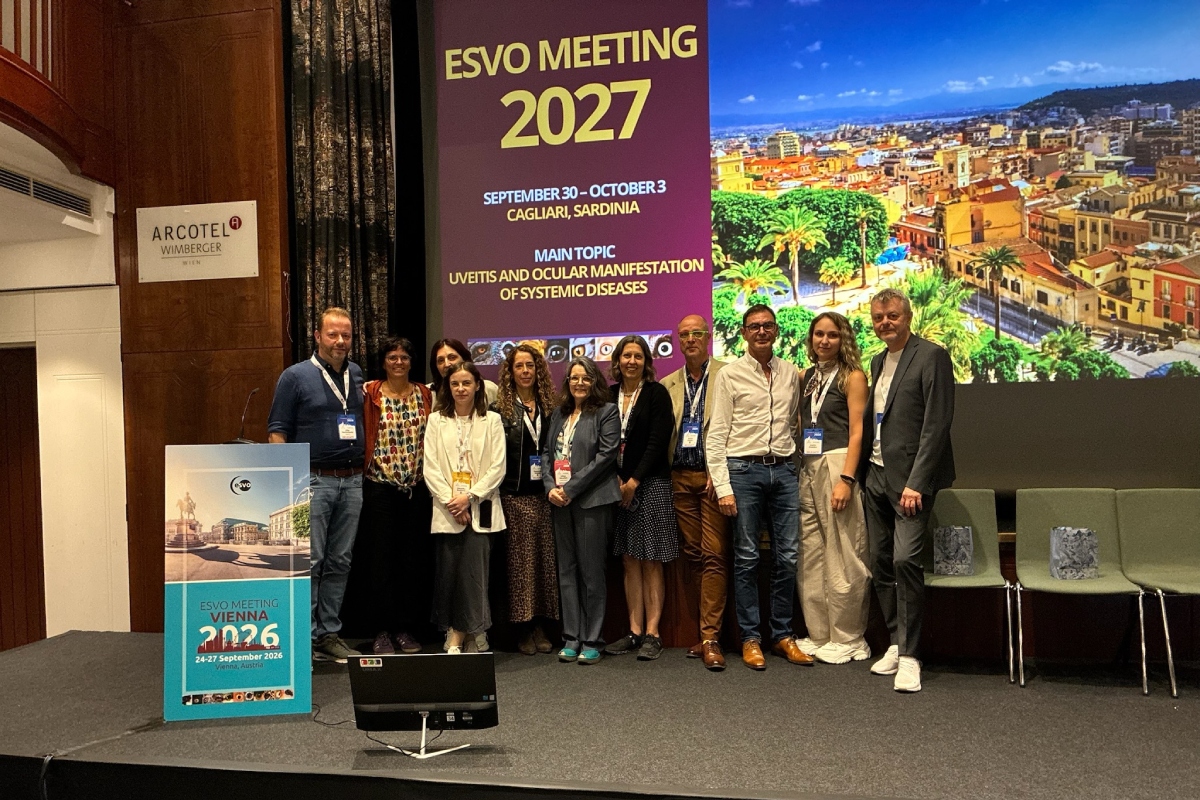
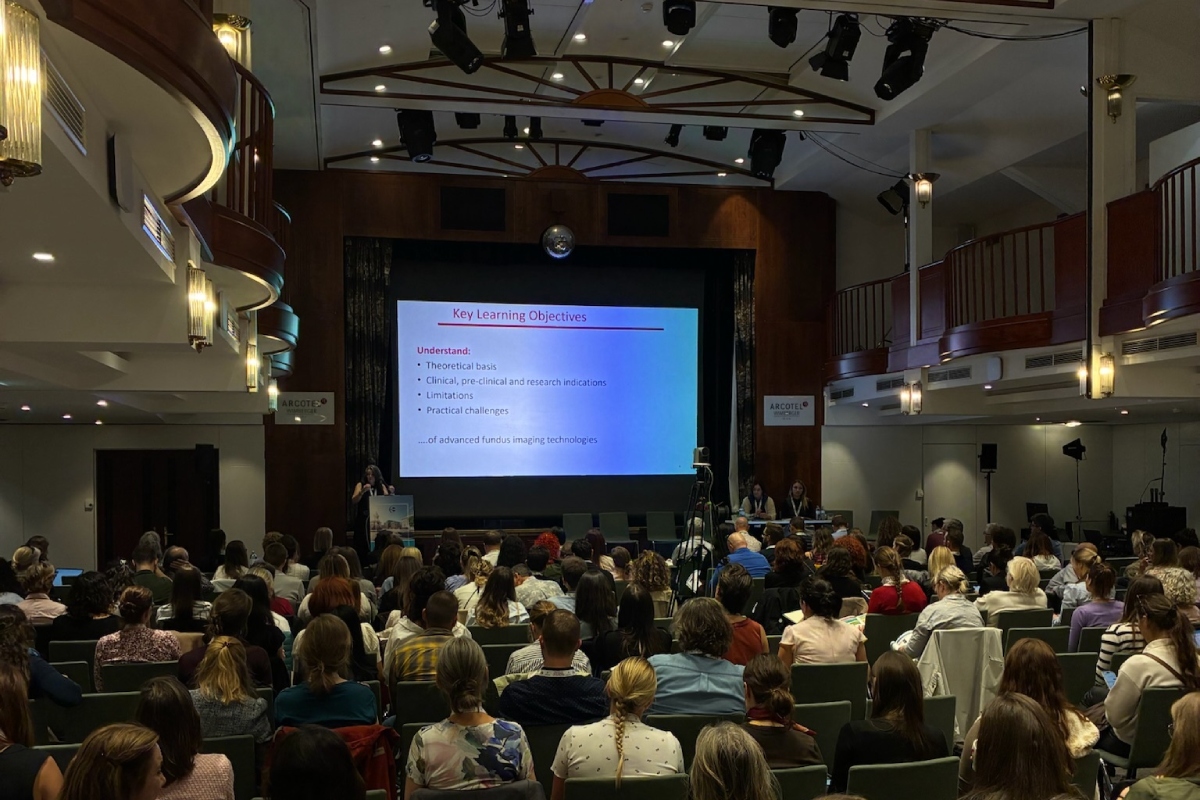
At the end of September, the Austrian capital became the center of European veterinary ophthalmology. At the ARCOTEL Wimberger Wien hotel, we organized the annual congress of the European Society of Veterinary Ophthalmology (ESVO) in a hybrid format. The event attracted more than 400 participants, who either traveled to Vienna or joined via a virtual platform to discuss the latest diagnostic, imaging, and surgical procedures.
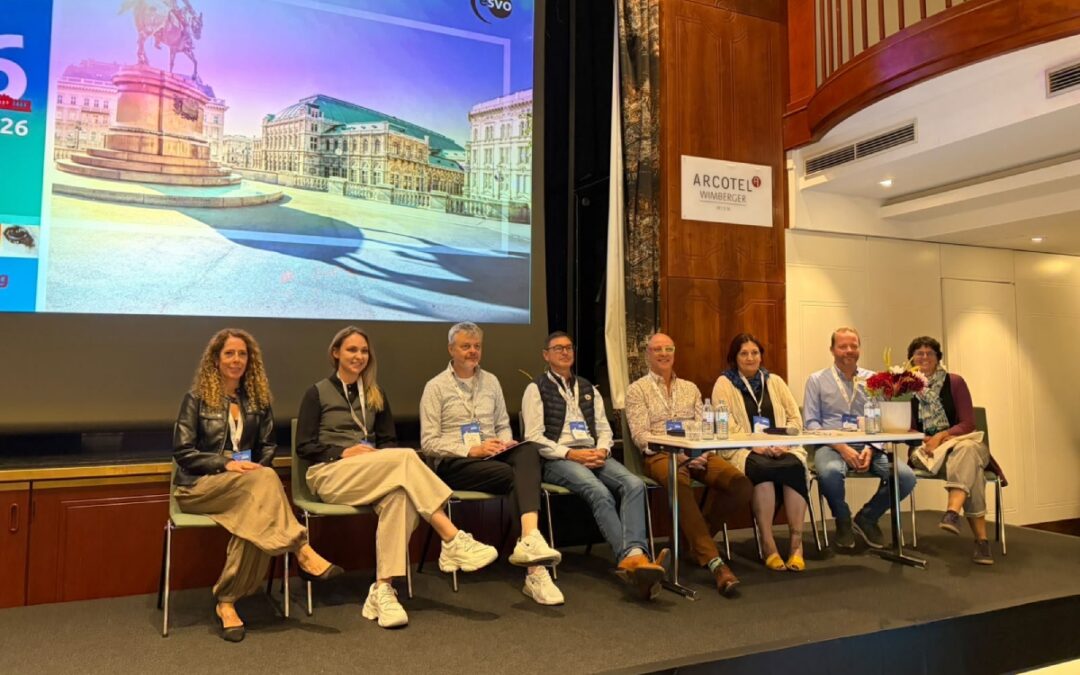
The central theme of this year's edition was acute blindness (“Acute Blindness”) – a serious clinical condition that requires veterinarians to make rapid decisions, deliver precise diagnostics, and bring interdisciplinary insight. Together with ESVO President Esmeralda Delgado, Vice-President and Scientific Secretary Paola Cassarani, and Local Organizing Committee Chair Jiří Beránek, the delegates created an inspiring space for sharing experience across generations and continents.
SCIENTIFIC PROGRAM
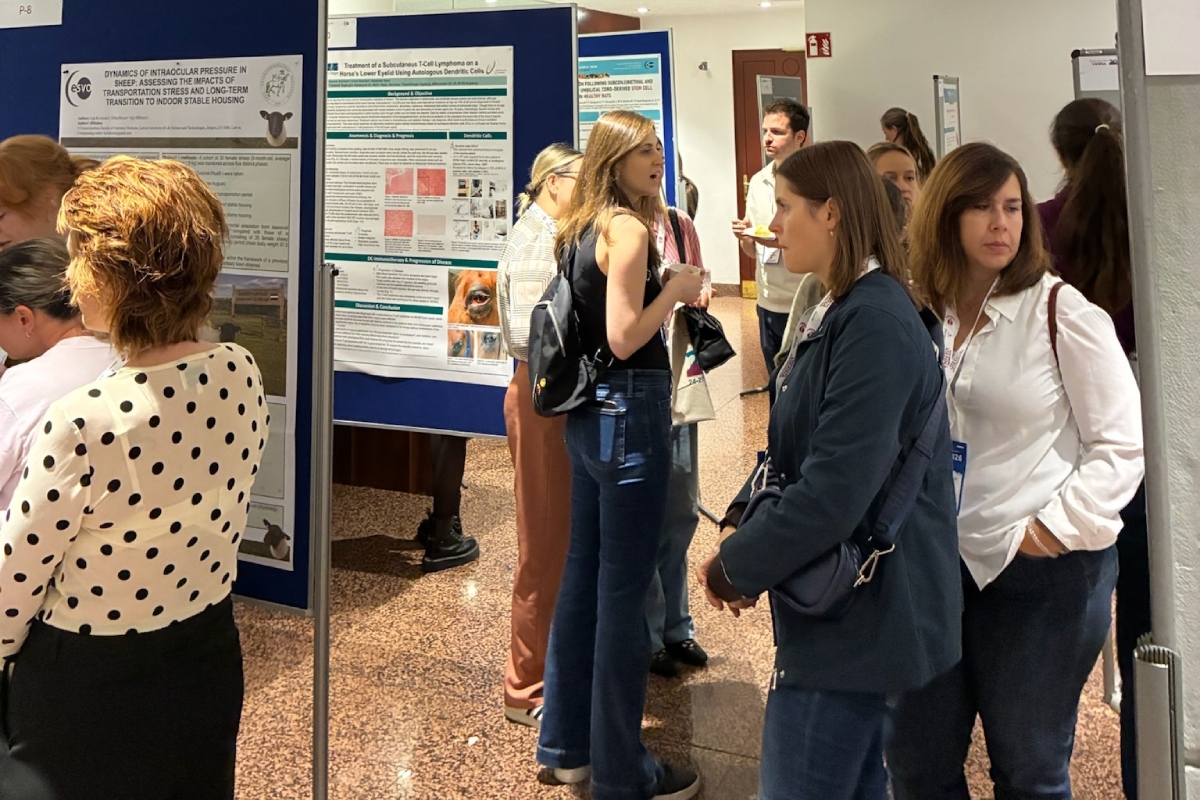
The scientific program seamlessly combined invited lectures by leading experts, Oral Communications sessions, poster sessions, and interactive educational formats. The headline speakers were two renowned professors from the United States – Gillian McLellan and Sara M. Thomasy. In their lectures, they covered in detail topics such as neuro-ophthalmic examination, optic nerve diseases, advanced fundus imaging, feline glaucoma, retinal toxins, and the latest trends in optogenetic and gene therapy, stem cell use, and neuroprotection. Interactive clinical sessions using the Kahoot platform were also very well received; one of them was led by Austrian specialist Dr. Petra Benz.
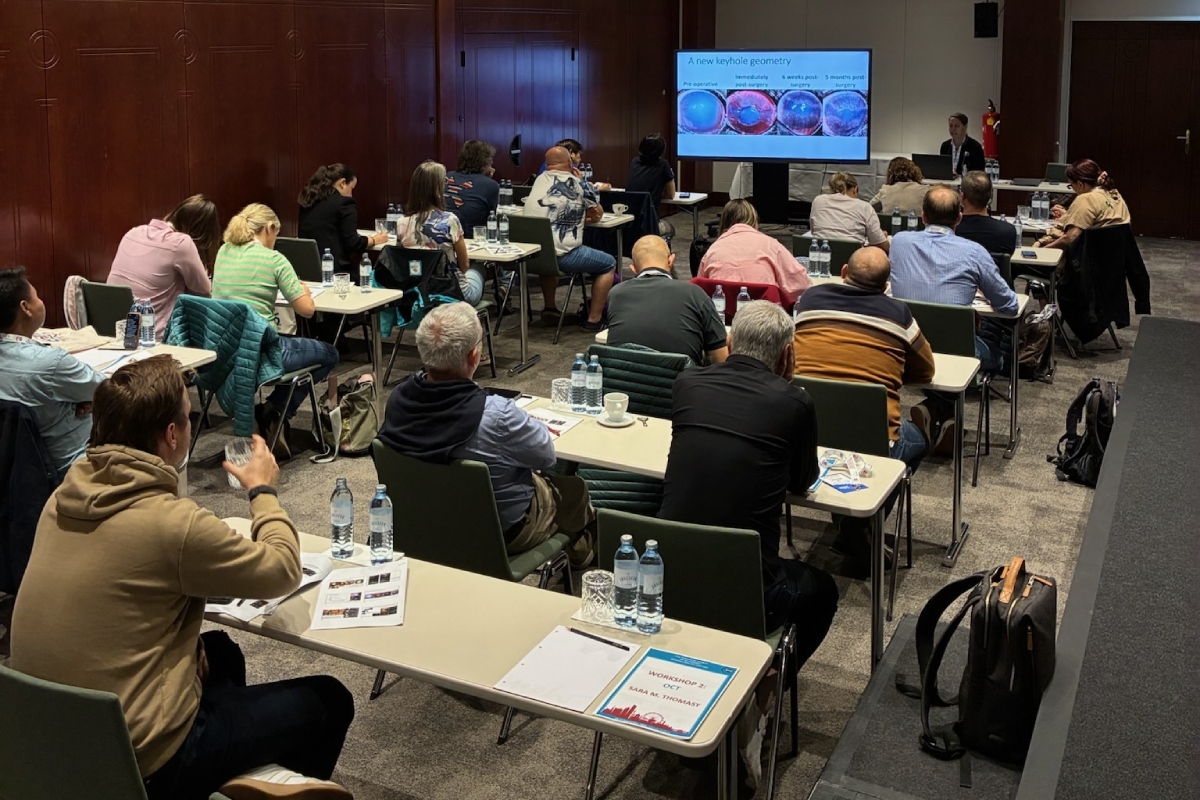
Sunday was reserved for two exclusive hands-on wet labs. The first one, completely sold out, was led by renowned German specialist Dr. Ingo Hoffmann (with the exclusive support of MLT) and focused on the use of diode lasers in veterinary ophthalmology. The second wet lab, led by Prof. Sara Thomasy, offered participants a unique insight into optical coherence tomography (OCT) as an indispensable “optical biopsy” for diagnosing the retina, optic nerve, and anterior segment of the eye.
SOCIAL PROGRAM AND NETWORKING
Alongside intensive education, the congress also offered exceptional opportunities for informal meetings. The social program began on Thursday evening with a Welcome Drink right in the exhibition area of the ARCOTEL Wimberger Wien, where delegates could meet colleagues and representatives of partner companies in a relaxed atmosphere.
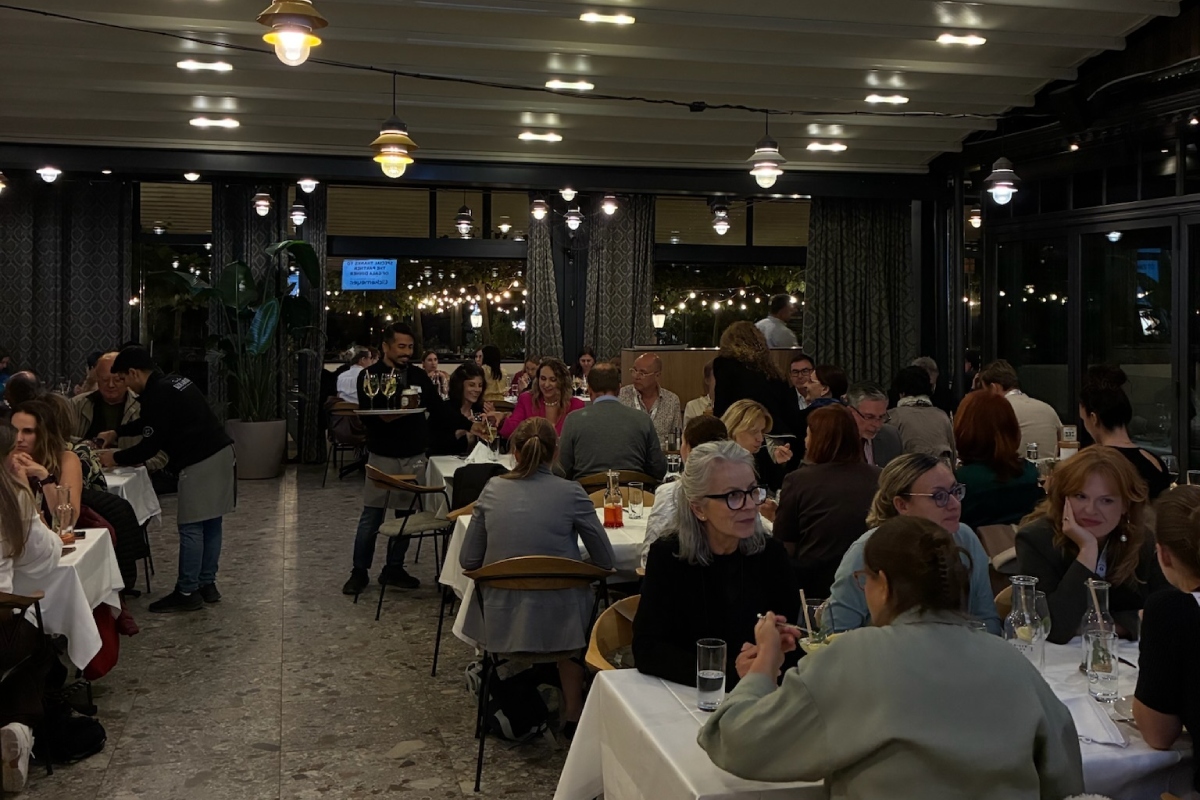
Friday evening proved unforgettable. Before the gala dinner itself, participants could join an exclusive guided tour of the unique eleven-story Haus des Meeres Aqua Terra Zoo, including a look behind the scenes of its rescue center and veterinary clinic. The guests then moved to Vienna's famous Prater park, where the Gala Dinner took place at the traditional family-run restaurant Kolarik im Prater, with certified 100% organic Austrian cuisine and music by a professional DJ.
CONCLUSION
The ESVO 2026 congress in Vienna confirmed that veterinary ophthalmology is going through a period of exceptional technological growth. The event gave participants not only a first-class theoretical foundation and practical skills, but also a comprehensive view of how modern diagnostics and innovative therapies are changing the prognosis for animal patients with acute vision loss.
Great thanks go to the ESVO board for its trust, to all speakers and participants, and to the partners and exhibitors. The complete organizational and technical delivery of this hybrid international conference was ensured by the GUARANT International team led by Project Manager Veronika Švehlová.